Decoding the Box: How to Read a LEGO Set Like a Pro
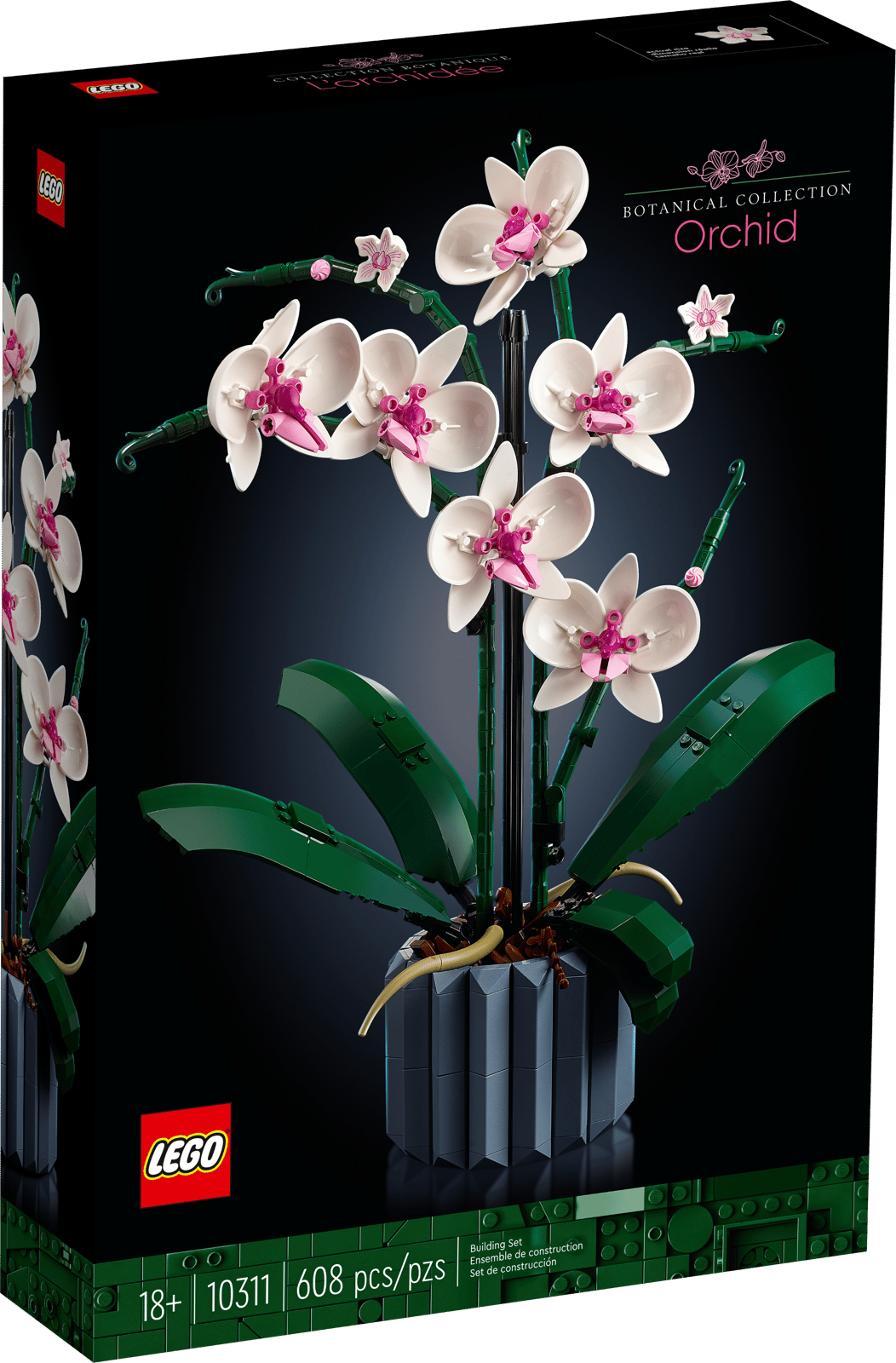
Every LEGO box is crowded with information, and almost none of it is explained. An age badge that says 18+. A number in the corner that looks like a zip code. A piece count that might mean an evening or a month. If you're buying a gift, the box can feel like it was printed for someone who already speaks the language.
It wasn't, quite. Nobody translates it, that's all. Here's how to read a LEGO set box in about the time it takes to pick one up and turn it over – six things printed on nearly every box, each answering a gift question: too hard, too big, too childish, or exactly right.
None of this requires loving bricks. It just requires knowing where to look.
First, Find the Set Number
Somewhere on the front, usually tucked near a corner, sits a four- or five-digit number. That's the set number, and it's the closest thing a LEGO set has to a fingerprint. The LEGO Orchid set, for example, is number 10311 – type that into any search bar and you land on exactly that set, its reviews, and its real price, not a lookalike's.
Names can't do that job. The LEGO Group has sold many versions of the Millennium Falcon over the years, at wildly different sizes and prices, all wearing the same name. The number is how you confirm the box in your cart is the one you researched, and how you compare prices between stores without squinting at photos.
While you're browsing, ignore it completely. The moment you get serious about one set, it becomes the most useful thing on the box – snap a photo of that corner in the store, because the number in your camera roll beats trying to remember whether it was the big bouquet or the bigger one. There's more hiding in those digits than you'd guess – What a LEGO Set Number Means (and When You Need It) covers what they encode, and the one moment when writing the number down saves the whole gift.
The Black Box and the 18+ Badge
An 18+ badge on a box of toy bricks reads alarming for about two seconds. Relax – there's nothing scandalous inside. It's the LEGO Group's label for sets designed with adults in mind: subjects worth displaying, instructions that assume patience rather than parental supervision, packaging you could leave on the coffee table without a word of explanation.
The box itself gives it away before the badge does. These sets ship in black boxes with quiet, gallery-style photography, and on the shelf they look less like toys than like something a design store would carry. That's deliberate.
Small age numbers on the brighter boxes work the same way – 4+, 9+ and so on grade building complexity for kids, not content. Nothing on any LEGO box is a content rating.
For a gift buyer, black is the most useful signal in the whole store. Worried a set might land as childish? The black box removes that risk almost entirely, and it says the same to the recipient, sparing him the "is this really for me" moment at unwrapping. Plenty of adults build happily from bright yellow boxes too, but black is the one you can pick blind. The full case, and which corners of the black-box shelf suit which recipients, is in Why 18+ and Black-Box LEGO Sets Make Great Adult Gifts.
What the Piece Count Actually Tells You
The other big number on the front is the piece count, and it's really three answers wearing one costume: how long the build will take, how much patience it demands, and how much box you're getting for the money.
As a rough translation – and it is rough – a few hundred pieces is an evening or two on the couch. Around a thousand, you're gifting a project that fills a quiet weekend. Several thousand is a commitment measured in weeks, which sounds like a warning but is precisely what some people want from a gift.
What the count won't tell you is finished size. Two thousand tiny pieces can build something that sits on one bookshelf square, while a far cheaper set of big chunky bricks sprawls across the dining table. Price tracks the count loosely, not exactly – famous characters and clever engineering both cost extra – and builders run a whole cents-per-piece economy on this number that you can safely ignore. How LEGO Piece Count Affects Difficulty, Time, and Size does the conversion properly – hours, skill level, and shelf space – including the only version of the piece-count math a gift buyer needs.
How to Tell a Display Set From a Toy
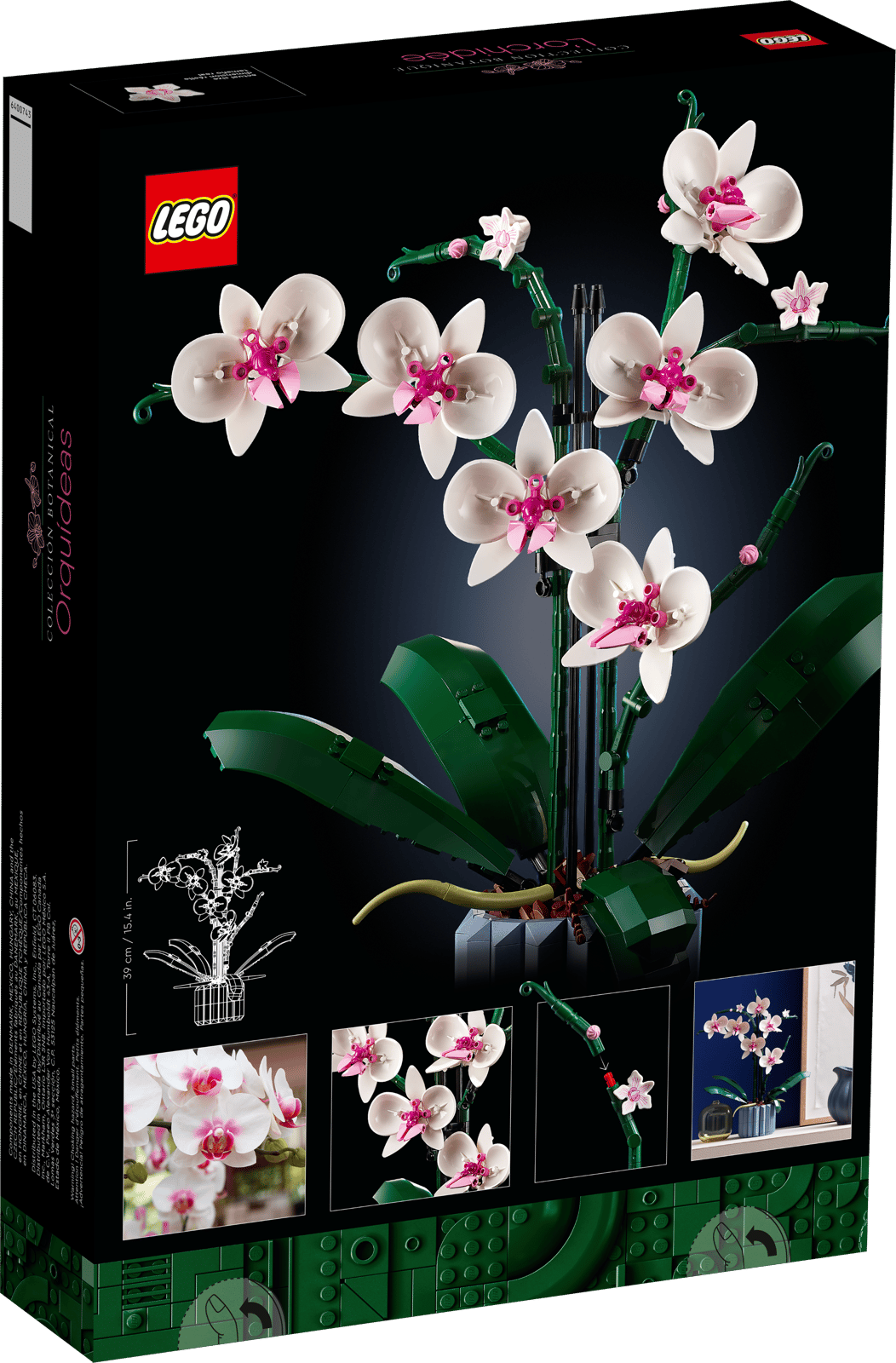
Look at the photograph before you read a word. Toy sets get action shots – minifigures mid-chase, vehicles mid-jump, a scene in progress. Display sets get product photography: the finished model posed on a shelf or a desk, lit like a page from an interiors catalog, sometimes with a coffee cup in frame for scale.
That one difference tells you what the set is for. An action shot means build it, then play with it. A still life means build it once, then look at it for years – which is what most adults do with a LEGO gift anyway.
Smaller cues back the photo up: the black box again, a display stand or printed nameplate visible in the shot, the model photographed from angles usually reserved for sculpture. And the rule works in reverse – a box crowded with cartoon faces and comic panels is a toy, no matter the price. Every one of those cues, plus a few subtler ones, is collected in How to Spot Display-Ready LEGO Sets From the Box Alone, enough to judge a set from across the store.
Themes, Translated for the Rest of Us
Next to the LEGO logo sits a second name – Star Wars, Technic, Icons, Botanical Collection. That's the theme, and it works less like information and more like an aisle sign. You need exactly one thing from it: does the subject match the person.
Licensed themes do that work for you. A Harry Potter fan gets a Harry Potter set, and no further decoding is required. The in-house names are the confusing ones – Icons, Creator, and Ideas mean nothing to a normal person, and the box photo will tell you more than any of those labels ever will.
Two caveats earn their place here. Technic means gears, pistons, and moving parts – a mechanical build closer to model engineering than to stacking bricks, and a different experience entirely. And a theme says nothing about difficulty: one Star Wars set is a child's toy, another is a centerpiece priced like furniture. For the plain-English version of every label, including which names secretly mean the same thing, there's What LEGO Themes Mean for a Non-Fanatic.
Count the Minifigures (or Don't)
Minifigures – the little plastic people, about an inch and a half tall – are the one thing the box shows rather than counts. No figure number sits next to the piece count. The characters inside get pictured on the packaging instead, so the counting is yours to do: kids' sets line them up along the bottom of the front with action poses in the scene above, while adult sets pose them calmly along the top or a side panel, closer to a cast photo than a battle.
Just don't read a long lineup as "this one's for children." Some of the biggest casts in the catalog belong to black-box adult sets – famous towers, fortresses, and mansions arrive packed with characters, because for a fan the cast is half the point. The lineup tells you who the gift is about, not who it's for; the poses, and the box around them, settle that part.
A box with no figures at all is a different signal, and a clear one: pure display. Zero is not a defect – flower sets and skyline models ship without a single figure on purpose, because a tiny grinning person would ruin the look.
LEGO Minifigures Explained (and Why the Box Highlights Them) gives the little people their due, including why one figure sometimes matters more than the model it comes with.
So That's How to Read a LEGO Set
The whole language fits in one breath: the number identifies the set, the black box marks it for adults, the piece count sets the time commitment, the photography separates display from play, the theme matches the person, and the minifigure lineup shows who's in the box. Thirty seconds, front of the box, done.
When a shortlist comes down to one detail, each section above links to a full guide on exactly that question. For today, though, you can walk into any store and read every box in the aisle. Most of the people shopping next to you can't.