What LEGO Themes Mean for a Non-Fanatic
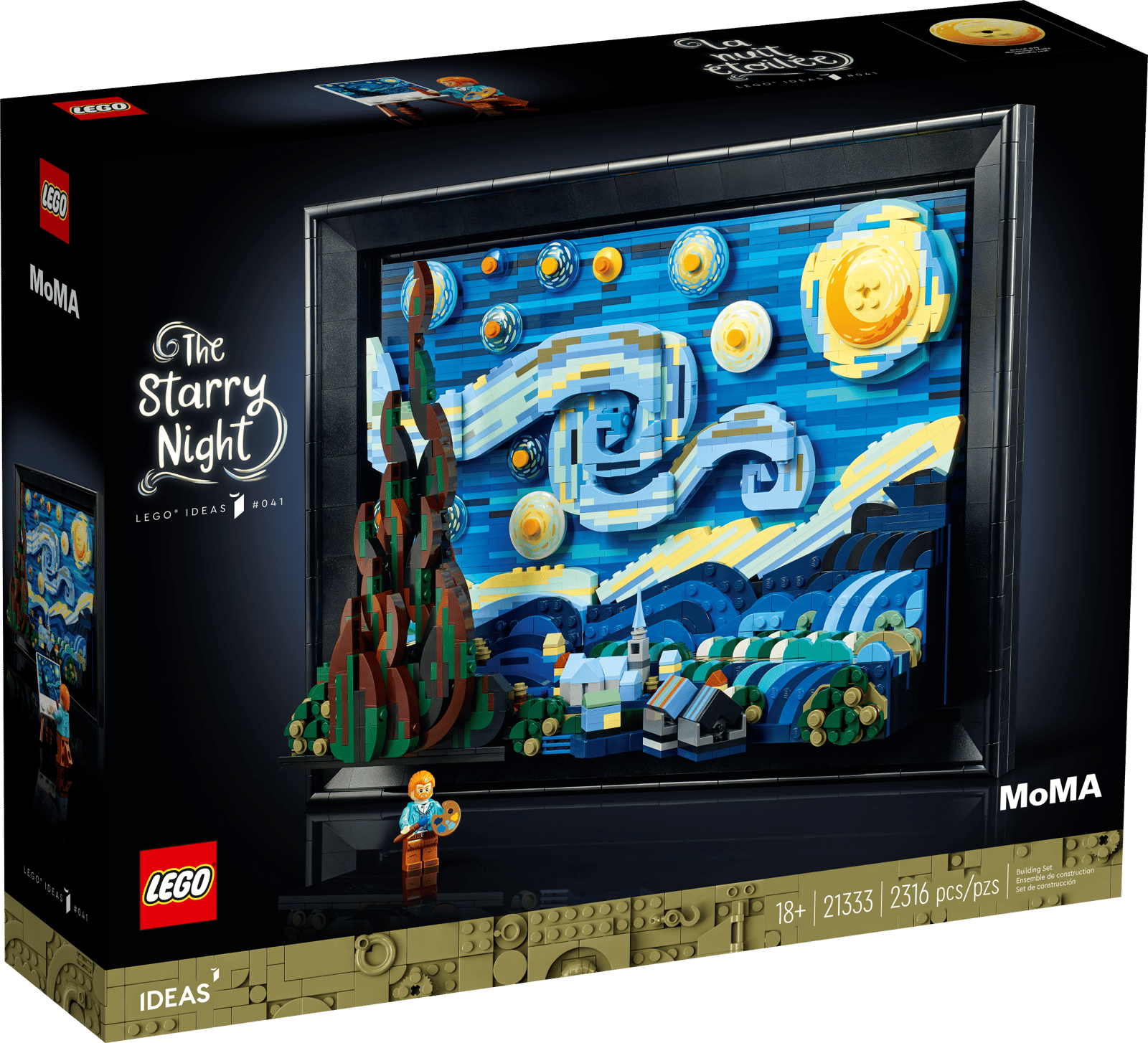
Somewhere between finding the right set and actually paying for it, a strange word ambushes you: Icons. Or Technic. Or Friends, which is not the sitcom. These are LEGO themes – the company's way of sorting a few thousand products into families – and nobody bothers to explain them to newcomers.
Here's the reassuring part: you only need a handful. This guide covers what a theme actually tells you, which names show up on adult gift lists, and when to ignore the label completely.
A Theme Is Just the Sign Over the Aisle
Think of themes the way you think of sections in a bookstore. "Mystery" doesn't tell you whether a book is any good, but it saves you from wandering through poetry to find one. A LEGO theme works the same way: it tells you what world a set belongs to, roughly who it was designed for, and what the finished model will look like on a table.
What it won't tell you is price or difficulty. Star Wars alone stretches from stocking-stuffer starfighters to a Death Star that sells for $999.99, and both carry the same logo in the corner.
So a theme narrows the shelf. It never picks the set for you. The LEGO Group keeps dozens of these lines running at once, which sounds overwhelming until you learn that most of them are aimed at eight-year-olds and can be walked straight past.
Worlds You Already Know, and Worlds They Made Up
Every theme falls into one of two families. The first borrows a world you already know: Star Wars, Harry Potter, Marvel, Super Mario, Disney. The second is a world the LEGO Group invented from scratch: City and Ninjago for kids, plus a cluster of grown-up lines we'll get to in a moment.
Licensed themes are the great gifting shortcut. If the recipient rewatches the original trilogy every year, the Star Wars shelf has already done your matching for you. The trade-off is baked into the price tag: licensing fees mean these sets often cost a little more, brick for brick, than the LEGO Group's own inventions.
Recognition cuts both ways, though. A Marvel set for someone who merely enjoyed a couple of the movies can land as a toy. The invented adult lines – flowers, landmarks, framed wall pieces – often look more at home on a grown-up's shelf precisely because they don't reference anything.
The LEGO Themes That Matter for Gift Shopping
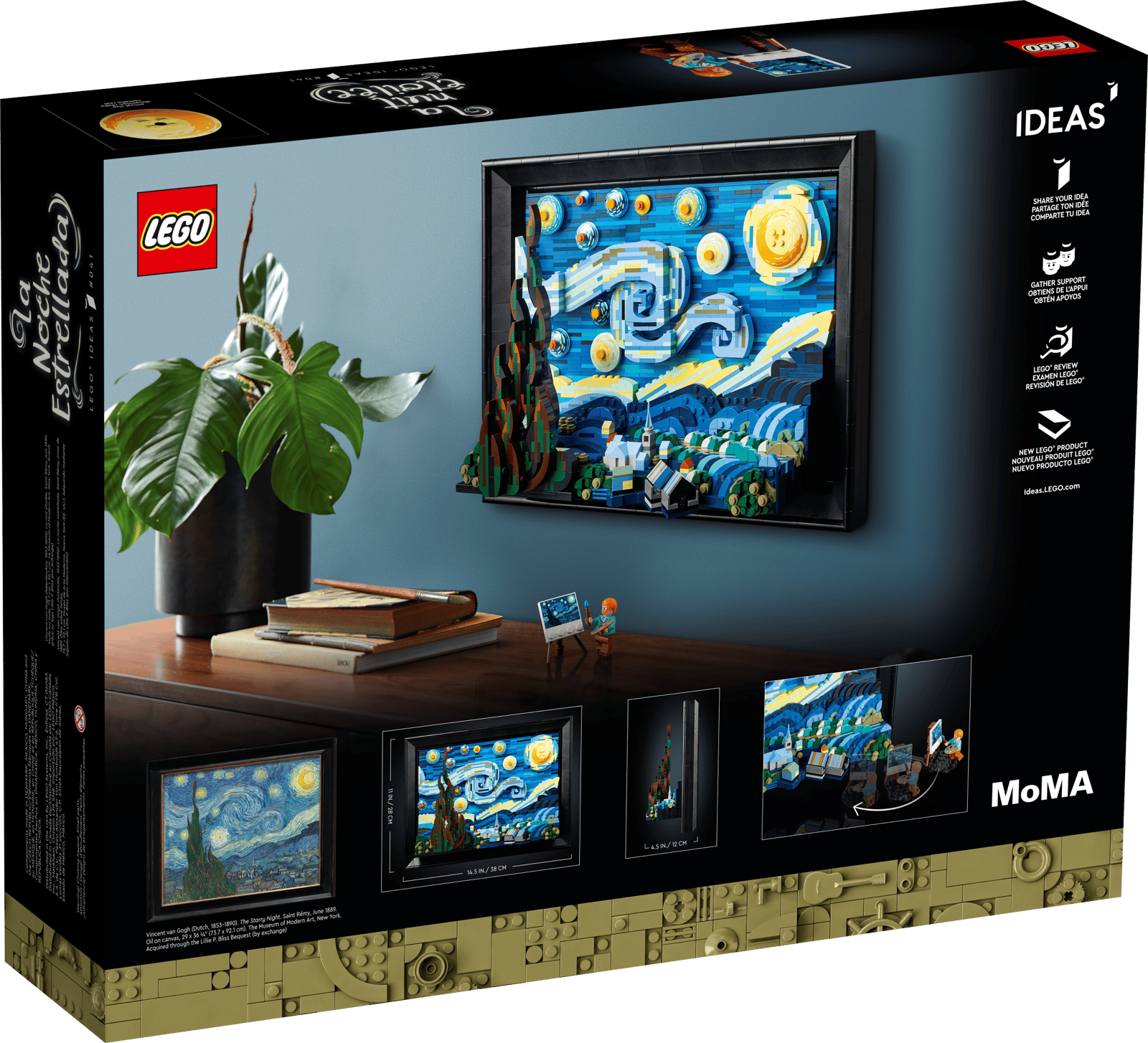
For an adult recipient, six names cover most of the ground.
Icons is the flagship. This is where the big display pieces live – classic cars, detailed buildings, the occasional movie prop. Until 2022 the line was called Creator Expert, so an older gift guide using that name means Icons today. When a box says Icons, it was designed for adults. That's the entire message.
The gateway, meanwhile, is Botanicals: brick-built flowers, bonsai trees, bouquets that never wilt. The line sold so well that in 2025 it was promoted from a sub-collection to a theme of its own. If the person you're shopping for has never touched a brick, start here.
Architecture and Art round out the display-shelf family – skylines and famous buildings at desk scale, framed pieces for the wall. Both are deliberately understated, which is exactly why they pass as decor rather than toys.
Technic is the odd one out: gears, suspension, working steering. It looks technical because it is. Buy from it for the person who watches engine-rebuild videos for fun, and for almost no one else.
Then there's Ideas, the wildcard. These sets begin as fan designs, and any design that gathers 10,000 public votes gets considered for production. It's where the wonderfully odd stuff lives – which brings us to the naming problem.
When the Name on the Box Misleads
A few of these names actively mislead newcomers, and one is famous for it.
Friends is the big one. It's an original line about a group of characters in a fictional town, aimed mostly at kids. No Ross, no Rachel. When the LEGO Group did build the Central Perk café from the sitcom, that set came out under Ideas. So the set based on Friends is not in the Friends theme. Nobody claimed this system was perfect.
Creator sounds like it should mean the sophisticated stuff. Mostly it means kids' models with three build options in one box – the sophisticated half of the old Creator family is what got renamed Icons.
And Icons itself tells you nothing about the subject. It's less a theme than an age label wearing a theme costume, where a classic car and a time machine from the movies sit side by side.
None of this is required knowledge, which is the real point. Match the person's actual interest first, then glance at the age range printed on the front of the box. The theme is a shortcut, not a test.
The Theme Is Only the First Line
The theme steers you to the right shelf; the rest of the box tells you whether the set in your hands is the right one. Decoding the Box: How to Read a LEGO Set Like a Pro walks through all of it, front panel to fine print.
From there, it depends what still puzzles you. What a LEGO Set Number Means (and When You Need It) explains the little number that matters at checkout, LEGO Minifigures Explained (and Why the Box Highlights Them) covers why the box brags about its tiny people, and Why 18+ and Black-Box LEGO Sets Make Great Adult Gifts is the shortcut when the recipient is a grown-up.